Whether you list on Pitchup, Cool Camping, Google, or your own website, your campsite is competing with dozens of others in the same area. Guests scroll through listings quickly, and the ones that catch their eye — and answer their questions — get the bookings.
Standing out doesn't require a massive budget. It requires attention to the details that guests actually care about.
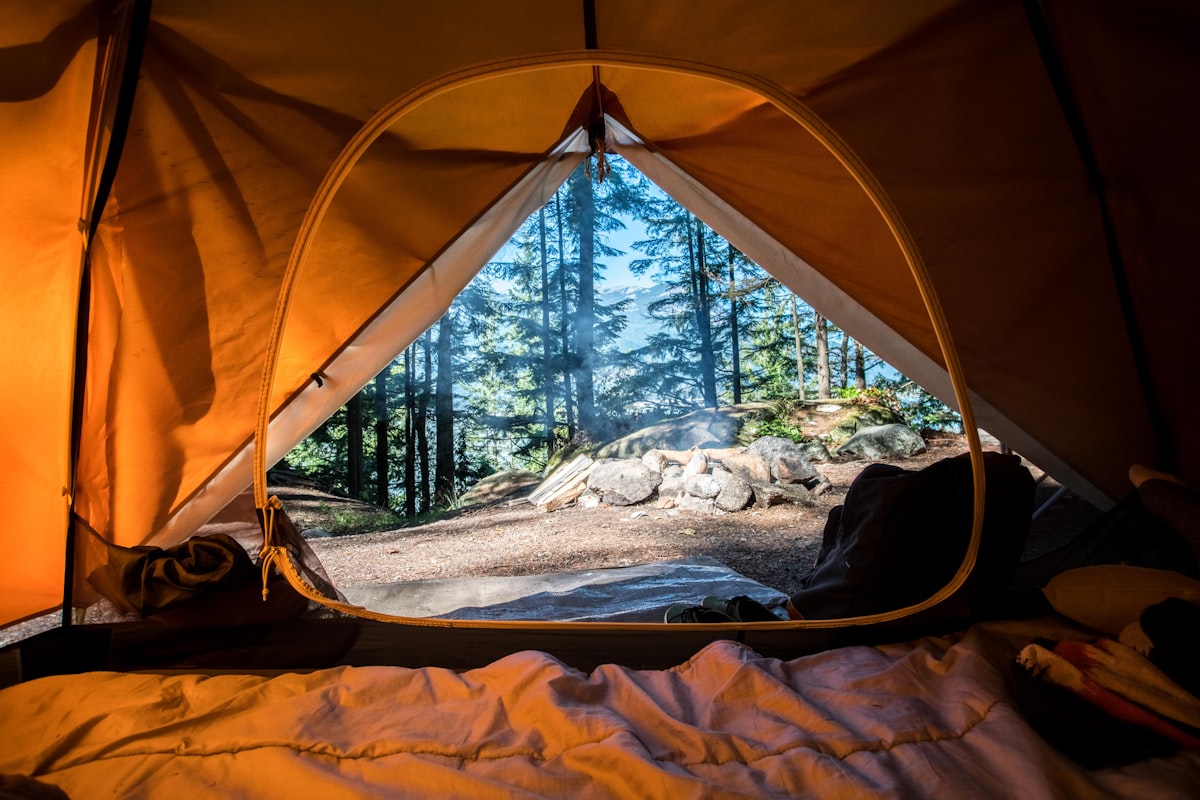
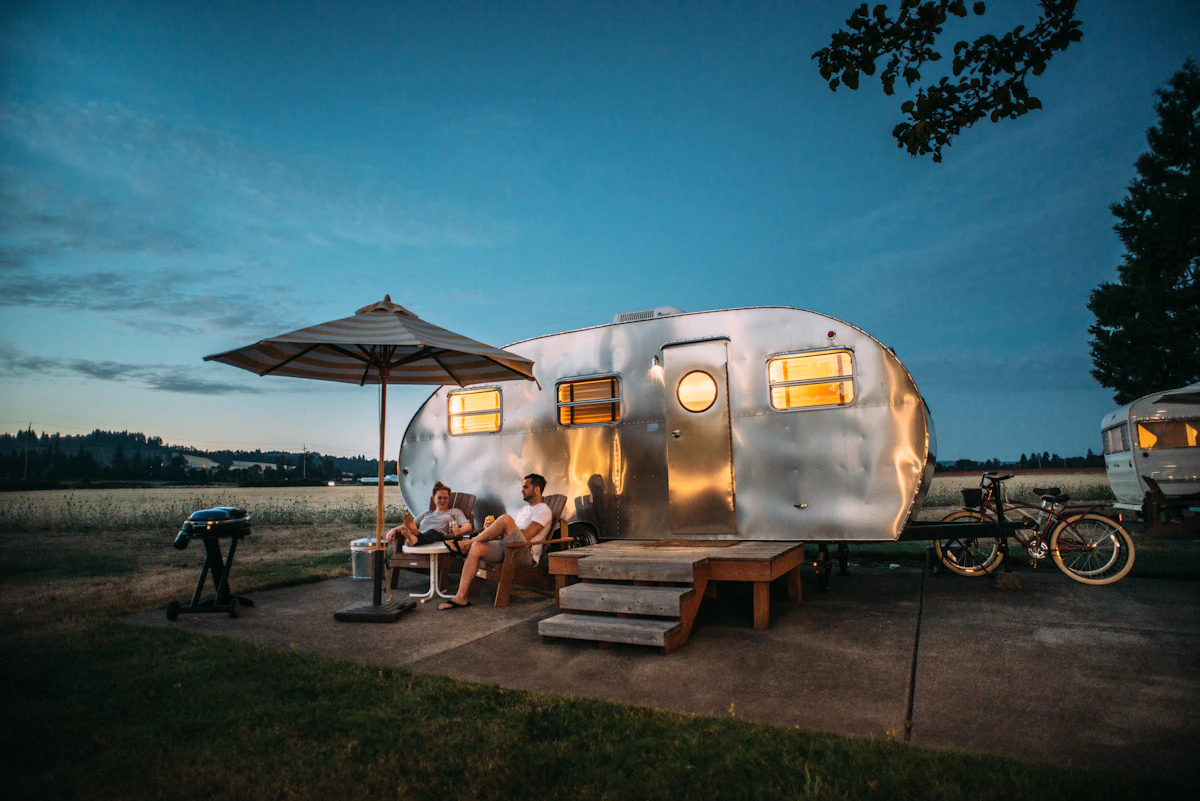
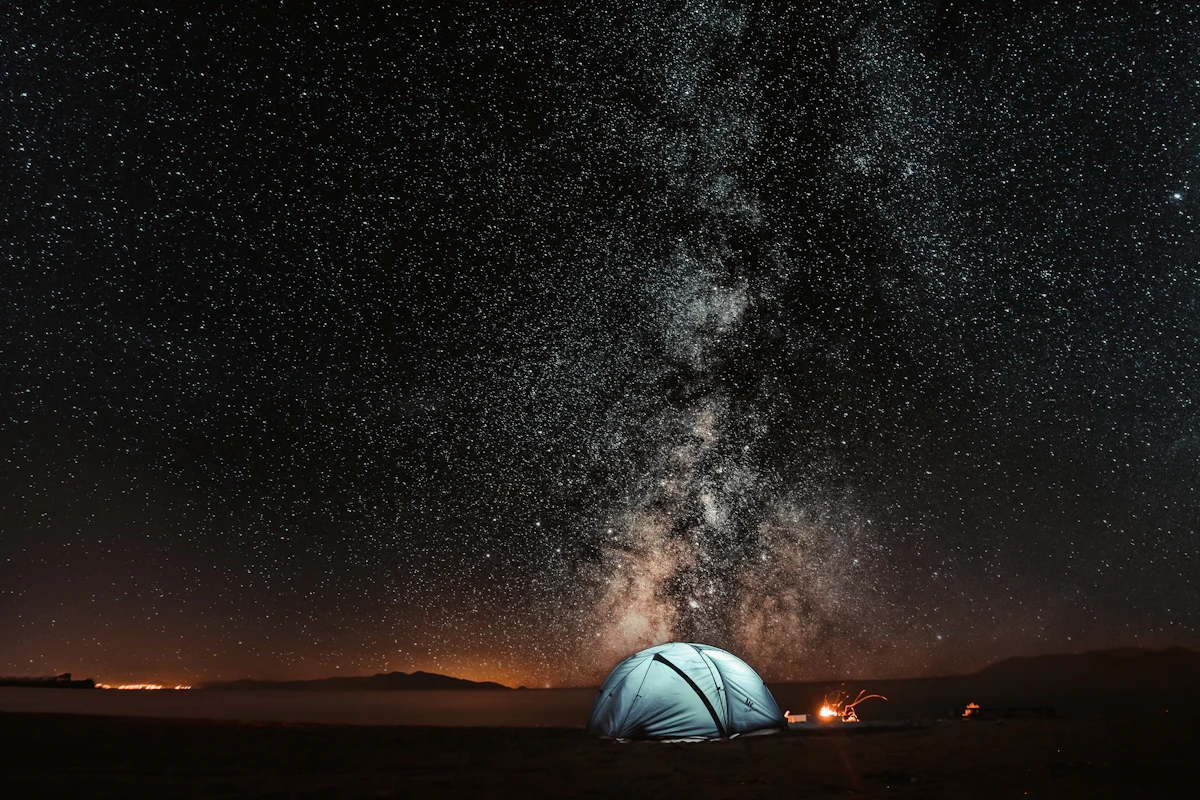
The single biggest factor in whether someone clicks on your listing is the photos. Yet many campsites still rely on a handful of blurry phone shots taken five years ago.
Most campsite descriptions are either too vague ("a lovely site in beautiful surroundings") or too dry ("30 pitches, electric hook-ups available"). The best listings do both — they paint a picture and give practical detail.
Cover what guests actually want to know:
One thing that consistently frustrates campers browsing listings is not being able to see the site layout. They want to know where their pitch is in relation to the toilets, whether they're near the road, and what the site actually looks like from above.
A professional site map — embedded on your listing or website — answers all of these questions instantly. It gives guests confidence in what they're booking and sets you apart from the majority of sites that offer no visual layout at all.
Reviews are social proof. The more recent five-star reviews you have, the higher you'll rank on most platforms and the more likely guests are to book. Make it a habit to ask every guest for a review — a follow-up email the day after departure with a direct link works well.
Reply to every review, good or bad. It shows you're engaged and care about guest feedback.
Nothing kills trust faster than a guest trying to book dates that show as available but aren't. If you list on multiple platforms, make sure availability syncs properly. Stale calendars also hurt your ranking — platforms prioritise listings that are actively managed.
Booking platforms charge commission. While they're great for visibility, encouraging repeat guests to book directly through your website saves you money. An interactive site map on your own website is a compelling reason for guests to visit your site directly — they can explore the layout, pick their preferred pitch area, and book with confidence.
Get a free quote for a professional 3D site map that makes your campsite impossible to scroll past.